5 Indicators It's Time to Search 'Structure Repair Service Near Me
Most house owners think of the foundation as a pillar, a chunk of concrete that never moves. Actually, every structure moves a little. Soil expands and agreements, water discovers its degree, temperature swings press and pull. The framework over tolerates small changes, then starts to object as movement develops. Those early objections are subtle. If you learn to review them, you can act before the repair range grows from an easy adjustment to a complete architectural intervention.
What follows comes from years of crawling with moist cellars, tapping stair-step splits with a flashlight handle, and clarifying to concerned home owners that not every line in the drywall is a dilemma. Some are. The technique is to divide cosmetics from structural modification and to understand why the adjustment is occurring in the initial place.
How a structure relocates the actual world
Foundations rest on dirt, and soil behaves like a creature. In clay-rich areas, the ground swells when damp and shrinks hard when completely dry. In sandy areas, water runs through, bring fine fragments and leaving spaces that can threaten a piece. Where wintertime bites, frost heave lifts unsupported areas, after that a thaw drops them at strange angles. Include trees that consume alcohol greatly, bad grading that channels water towards a wall surface, or a home with downspouts unloading thousands of gallons at the footing line, and you have a dish for irregular support.
Hydrostatic stress is another quiet force. If water accumulates in the soil outside a basement wall, it presses side to the within. Concrete handles compression well but dislikes tension. A wall surface that bows inward even a half inch under stable water pressure is not simply an aesthetic problem. The longer the pressure continues to be, the most likely the wall surface will disperse and crack.
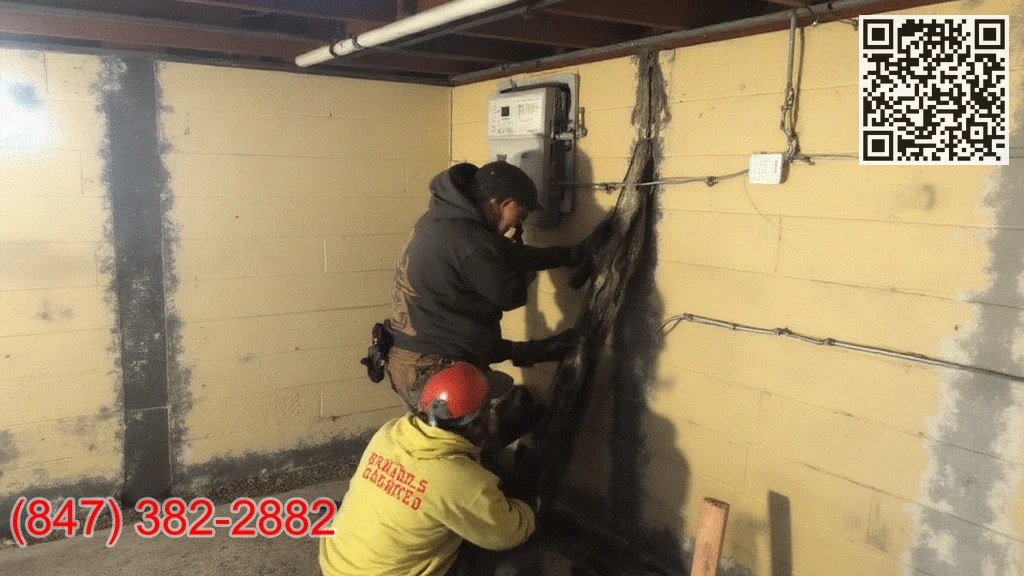
Understanding the soil and water around your home is the very first step. The second is to look for the signals the framework sends out when that dirt assistance changes.
Sign 1: Splits that chat back
Every house obtains a couple of hairline fractures as products remedy and clear up. A straight, slim line across a paint seam that never expands usually drops in that classification. The cracks that matter are the ones that expand, duplicate a pattern associated with structural stress, or show up in places with well-known stress issues.
Horizontal fractures in a cellar wall surface are the timeless warning for lateral earth stress. If the fracture runs along the midline of a poured wall surface and you can see also a slight bowing when you overlook the size of the wall surface, you might be checking out a wall surface that is losing the battle against saturated backfill. In block walls, expect long straight divides along the mortar joint or stair-step cracks that open up broader at the center than at the ends.
Diagonal fractures at the corners of windows and doors signal differential negotiation. I pay attention when a diagonal split in indoor drywall or block veneer measures more than the width of a nickel, or when two parallel cracks appear on either side of a window. Stair-step splits in brick that expand towards one end of a wall surface inform you that side is dropping.
Vertical fractures in a put foundation can be normal if they are slim and secure. A single hairline hardly vast sufficient to accept a fingernail that has actually not altered for many years seldom needs structure repair services. A vertical split that leaks water throughout heavy rain, or one that has actually offset where one side has actually relocated or out about the other, is worthy of a closer look.
I keep https://cesarqhol532.brightsora.com/posts/residential-foundation-repair-explained-3-steps-to-take-before-calling-a-company a collection of fracture displays in my vehicle, yet you do not require special devices to track adjustment. Take a dated photo with a coin for range, or area a small pencil mark throughout the split and examine it month-to-month. If the line displaces or the space expands by greater than a sixteenth of an inch in a season, it is time to make that look for structure fixing near me.
Sign 2: Doors and floors that won't behave
People typically discover sticky doors before they believe they have a structure issue. A door that scrubs on top lock corner suggests the opposite side of that wall might be sinking. If the door was great last summer and now needs a tough shoulder to click shut, you likely have seasonal movement at the workplace, typically connected to dirt wetness changes.
Floors tell a comparable tale. Stand a marble or small sphere on the floor and view its course. A slow roll toward one edge may be nothing more than an older home's beauty. A perceptible slope really felt in your knees as you stroll throughout a room, or a hump down the facility of a slab-on-grade house, requires attention. I have measured fifty percent inch of decline over 10 feet and informed the homeowner to check. I have actually likewise located one and a fifty percent inches of differential in the very same period, which almost constantly values piers or piece supports.
Gaps in between walls and the floor, trim retreating at inside edges, and a constant disclose change along a run of closets are also useful tells. Separately, these might be coating concerns. In combination with door imbalance and floor slope, they paint a pattern of activity that supports a phone call to a local professional for assessment.
Sign 3: Water where it does not belong
Water presents 2 troubles for structures. It threatens support when it erodes or softens soil, and it pushes laterally on wall surfaces when it collects outside them. If you have a basement, water lines on the wall surface, efflorescence (that white, powdery deposit), or a stuffy scent are more than comfort problems. They hint at consistent dampness that can undercut the wall surface over time.
Basement waterproofing covers a variety of techniques, from exterior membranes and correct footing drains to indoor drain ceramic tile with a sump. Do not perplex a quick solution with a thorough solution. Slapping hydraulic cement over a permeating crack may quit a drip for a season, yet if hydrostatic pressure is the driver, the water will locate one more course. The very same goes for dehumidifiers made use of as a bandaid for bad drainage outside.
Crawl rooms deserve their own note. A moist, vented crawl welcomes wood rot, mold and mildew, and negotiation as the piers tackle dampness. Encapsulation alters the equation. To envelop crawlspace areas properly, you require secured linings on the flooring and wall surfaces, taped seams, shielded edge joists, and conditioned air or a specialized dehumidifier. I have actually seen homes transform after owners picked to envelop crawl area concerns properly. Floorings tensed, mildewy smells vanished, and seasonal activity lowered due to the fact that the wetness swings relaxed. If you are investigating this subject online, you could stumble across terms like enveloped crawl.space. The formatting is strange, however the objective is the same, control moisture to safeguard the structure.
When water turns up unwanted after tornados, or the sump pump cycles frequently during regular weather, look beyond comfort and think about architectural danger. This is a good time to incorporate 2 searches, structure repairs near me and basement waterproofing, after that ask the estimator to take a look at drain, footing drains, and wall condition in one visit.
Sign 4: Outside separations and sagging appendages
Walk the outside of your residence twice a year. Small voids will certainly reveal themselves to any person who looks with treatment. A common one is the smokeshaft retreating from the house siding. Masonry is hefty, and a lot of chimneys have their very own footing. If the soil under that slim ground acts differently from the soil under the wider house impact, the two can move at various prices. A one inch space and a sloping mortar crown capture my focus. When I see a stepped split in the chimney and a clear separation from your home, I start looking for pier choices that can maintain the chimney independently.
Porches and stoops also inform the tale. These components are frequently put after the primary foundation and might rest on not really prepared fill. If the concrete at your front step has worked out away from the limit, developing a lip you journey over, it is more than a nuisance. Water now runs back towards the house, which can get worse the circumstance. Polyurethane foam injection or mudjacking can lift concrete flatwork, however if the reason is deeper soil combination or washout, that lift could be temporary. An experienced contractor will certainly consider the thickness of the piece, the dirt problems, and the drain pattern prior to suggesting a fix.
Look up also. Fascia boards that separate at the edges, brick walks that show a new space under the house siding, and growth joints in block that open unevenly tell you where the structure is relocating. Any kind of solitary space might be typical aging. A collection of splittings up on one side of the home points to settlement on that side.
Sign 5: Plumbing quirks and brand-new noises
Plumbing and foundation problems have a regrettable connection. When a slab works out, inflexible piping can shear, leading to slow leaks under the piece that wash away sustaining dirts. You may initially notice a water expense creeping up, a persistent moist place on a flooring, or the audio of water running when every component is off. In older homes with actors iron, try to find enhanced gurgling or repeated drain clogs as the incline of straight lines changes.
Inside the structure, listen for new creaks when you action in acquainted areas. Wood mounting adjusts as the assistance listed below changes. Nail pops cluster in lines, ceiling cracks mirror the framing below in a way that seems like a roadmap. None of these shows a foundation trouble on their own, but jointly with several of the previous indications, they strengthen the case.
If you are in question, this is a good time to look foundations repair near me and include leak discovery to the question. A straightforward pressure test or thermal imaging check can regulation in or out a hidden piece leak. If a leakage is present, address it prior to or in addition to any structural modification. Or else, you are setting up piers while the soil continues to deteriorate under you.
What to do the week you discover a sign
A determined reaction beats panic. The actions below will save money and time, and they aid the specialist who at some point sees your home.
- Document what you see with dated pictures, including a simple range like a coin or ruler.
- Control the water you can regulate, extend downspouts 6 to 10 feet, clear rain gutters, and confirm that soil slopes far from your home at least 6 inches over 10 feet.
- Mark fractures with pencil ticks throughout the line and note the day so you can track growth.
- Avoid making aesthetic repairs that conceal proof, hold off on patching or painting until after an assessment.
- Gather basic background, note when you initially noticed each problem, any plumbing leakages, landscaping changes, or extreme weather condition over the past year.
What a real foundation assessment looks like
An expert will certainly start with questions, after that move to measurement. Anticipate them to stroll the boundary, look along the aircraft of each wall to look for bowing, and action via the inside with a degree. The even more extensive companies will perform an elevation survey utilizing a building contractor's level, laser, or zip level. This map shows family member floor heights at points throughout the home. A pattern emerges, perhaps the northwest edge sits one inch lower than the rest, or the facility ridge of a slab has actually heaved relative to the sides. That pattern frequently tells us more than any type of solitary crack.
They will certainly also look at website drainage. Downspout discharge points, the size of splash blocks, the quality of the soil along the structure, and close-by trees issue. Dirt type matters too. In expansive clay regions, I often advise seasonal dampness administration, not instant piers. In sandy or loam soils, I might look a lot more closely for disintegration paths or damaged utilities.
A good assessment finishes with an ordinary language summary. It ought to divide immediate risks from upkeep items and provide you a presented strategy. If all you obtain is a one page quote that jumps to piers without context, ask adhere to up questions or obtain a 2nd opinion.
Common repair techniques and when they fit
Pier systems support foundations by moving tons from unsteady dirts near the surface to much deeper, more skilled strata. Press piers are steel tubes hydraulically driven to rejection, which indicates they stop at a depth where the soil can bear the lots. Helical piers screw right into the ground with helical plates that establish capacity in suitable soils. Both can be mounted with brackets under the ground. In northern markets, depths can reach 20 to 40 feet. Somewhere else, 8 to 15 feet is common. The choice between push and helical depends upon soil kind, tons, and gain access to. Push piers depend on the framework's weight for installment, which can be challenging under lighter porches. Helicals are functional in lighter lots however require torque that not every service provider can attain in limited spaces.
For bowing walls under lateral pressure, wall anchors or carbon fiber reinforcement are typical. Anchors make use of rods that range from the wall, with the yard, to buried plates embeded in undisturbed dirt. Tightening the system slowly can align a wall surface gradually. Carbon fiber straps bonded to the wall limitation future bowing. They are much less invasive inside however do not address outside stress or drainage. I commonly combine interior support with outside grading renovations or a brand-new drain system.
Slab negotiation under interior floorings can be fixed with piece piers or tiny diameter helical assemblies embedded via the slab to lots bearing soil. Foam injection increases worked out sidewalks and patio areas, yet use caution under load bearing walls. I only suggest foam training beneath structural loads when I am satisfied the dirt below has the toughness to hold it. Otherwise, you raise the signs and symptom without attending to the cause.
Drainage is a repair service in its very own right. Redirecting surface area water, expanding downspouts, mounting French drains pipes where appropriate, and adjusting landscaping can reduce future activity. Inside, cellar waterproofing with indoor drain tile and a sump pump does not take care of exterior soil concerns, however it manages water at the lowest factor and secures coatings. In crawl rooms, an appropriate crawl space encapsulation plan quits moisture migration, cuts mold risk, and minimizes seasonal growth and tightening in wood framing. Done right, these moisture controls can be as impactful as architectural work.
What it costs and the length of time it takes
Every market and residence is different, however property owners ask for varieties, so below is what I have seen across loads of jobs. A small stablizing utilizing 2 to 4 piers on a corner might run a few thousand bucks per pier, with a day or more on site. Larger jobs with twelve or more piers can land in the mid five numbers, especially with accessibility difficulties or heavy stonework. Wall surface reinforcement with carbon fiber normally costs per strap, and support systems rate per support, with complete costs varying by matter and wall surface length.
Basement waterproofing, if made with interior drain ceramic tile, a sump container, and a top quality pump with a check shutoff, often takes 2 to 3 days, with rates per linear foot that accumulates based on the basement perimeter. Crawl space encapsulation varies widely. An easy vapor obstacle job is much more affordable than a complete system with secured liners, taped seams, closed cell foam at edge joists, and a devoted dehumidifier. The value appears comfortably, indoor air high quality, and much more steady framing, not just in a completely dry look.
Expect allowing in some communities. Pier job that transforms architectural assistance usually requires engineering, especially on more recent homes or in cities with strict codes. Prepare for some landscape disruption. Gain access to for pier installment requires room around the footing, and anchor systems call for excavation in the lawn. A cautious staff will certainly secure growings and hardscape, yet there is no absolutely no impact option.
Choosing the best local partner
When you kind foundation fixing near me right into a search bar, you will certainly find a mix of nationwide brands, local experts, and small local companies. All 3 can do exceptional job. The difference shows up in what they recommend and how they support it. Ask what soils you have and just how those soils behave. If the salesperson can not review clay shrink-swell actions or hydrostatic pressure with specificity, keep looking. Ask for an altitude map and an illustration of the proposed pier layout or support plan. Guarantees matter, but checked out the fine print. A life time guarantee on a wall surface support that covers parts however not labor ten years from now is not the like a transferable warranty that covers both.
I likewise search for a firm that treats water drainage and moisture as part of the structural discussion. If they provide basement waterproofing or can collaborate it, all the much better. If they know crawl rooms, also much better. You will save time when one team can discuss why your back downspout, a parched maple, and a worked out stoop integrated to create the split you currently see in the dining-room corner.
Maintain initially, fixing smart, after that preserve again
Homeowners occasionally really feel powerless when a structure relocations. In reality, you manage more than you assume. Grade the dirt to shed water. Set up downspout extensions that bring roofing system runoff a minimum of 6 to 10 feet from the border. Keep rain gutters tidy so water does not overflow at the eaves and dump near the footing. In clay regions, consider a soaker pipe throughout lengthy dry spells to moderate contraction near the foundation. These are small, affordable changes that lower the amplitude of seasonal swings.
Inside, if you have a cellar, set any type of ended up walls with a drain plan. If you require to complete an area before you are ready for a full system, at the very least prepare for obtainable baseboards and think about water resistant products near the flooring. If you have a crawl area, dedicate to encapsulation. To encapsulate crawl space areas correctly, pick a thick liner, seal it to the walls, run it up piers, and seal penetrations. Problem the space by connecting a little supply or installing a dehumidifier ranked for the quantity. The effect on the remainder of the residence commonly turns up within weeks, with tighter doors, steadier moisture, and less moldy odors.
Remember, most structure repairs succeed or fall short at the edges. Piers and supports are devices. Their long term success depends on the water outside, the dirt under the piece, and the moisture inside. If you take on those variables, you lower the probability you will require the larger devices again.
When to view and when to act
Not every sign demands instant treatment. I have encouraged property owners to check seasonal drywall cracks for a year with no damage done. I have actually also stood in a cellar where a straight fracture broadened with each storm, and I informed the owner to move shelving far from that wall till we could brace it. The difference hinges on the price of change and the threat profile.
Act currently if a basement wall surface shows measurable bowing, if a crack opens quickly over a period, if doors and floorings change jointly, or if water is present behind a completed wall. Act now if you suspect a piece leakage. Collect quotes, ask concerns, and relocate emphatically. If the symptom is isolated, tiny, and secure, take a breath, document it, enhance drain, and check back.
At any factor, there is no harm in a specialist set of eyes. You do not require to recognize the jargon before you search structure fixings near me. A great service provider will certainly describe the pressures at work in simple terms, provide choices, and respect your spending plan and timeline. That discussion, held early, can turn a distressing crack into a regulated task with a defined scope, as opposed to a shock that expands while you look the various other way.
Foundations are not fixed, and neither is your home. Check out the indicators, tame the water, and choose aid intelligently. If you act upon the five signals over, you will protect your home, and you will rest better the next time the sky opens and the seamless gutters roar.
 Ask ChatGPT
 Ask Grok
 Ask Perplexity
 Ask Claude
 Ask Google AI
 Ask You